

Date:
October 31, 2026e uncovered a hidden mechanism that allows high-cholesterol diets to undermine the body’s natural cholesterol defenses, and blocking it dramatically lowered harmful LDL cholesterol in mice. Even more promising, an experimental drug targeting this pathway has already passed an early human safety trial, potentially speeding the development of a new treatment for high cholesterol.
Share:
FULL STORY
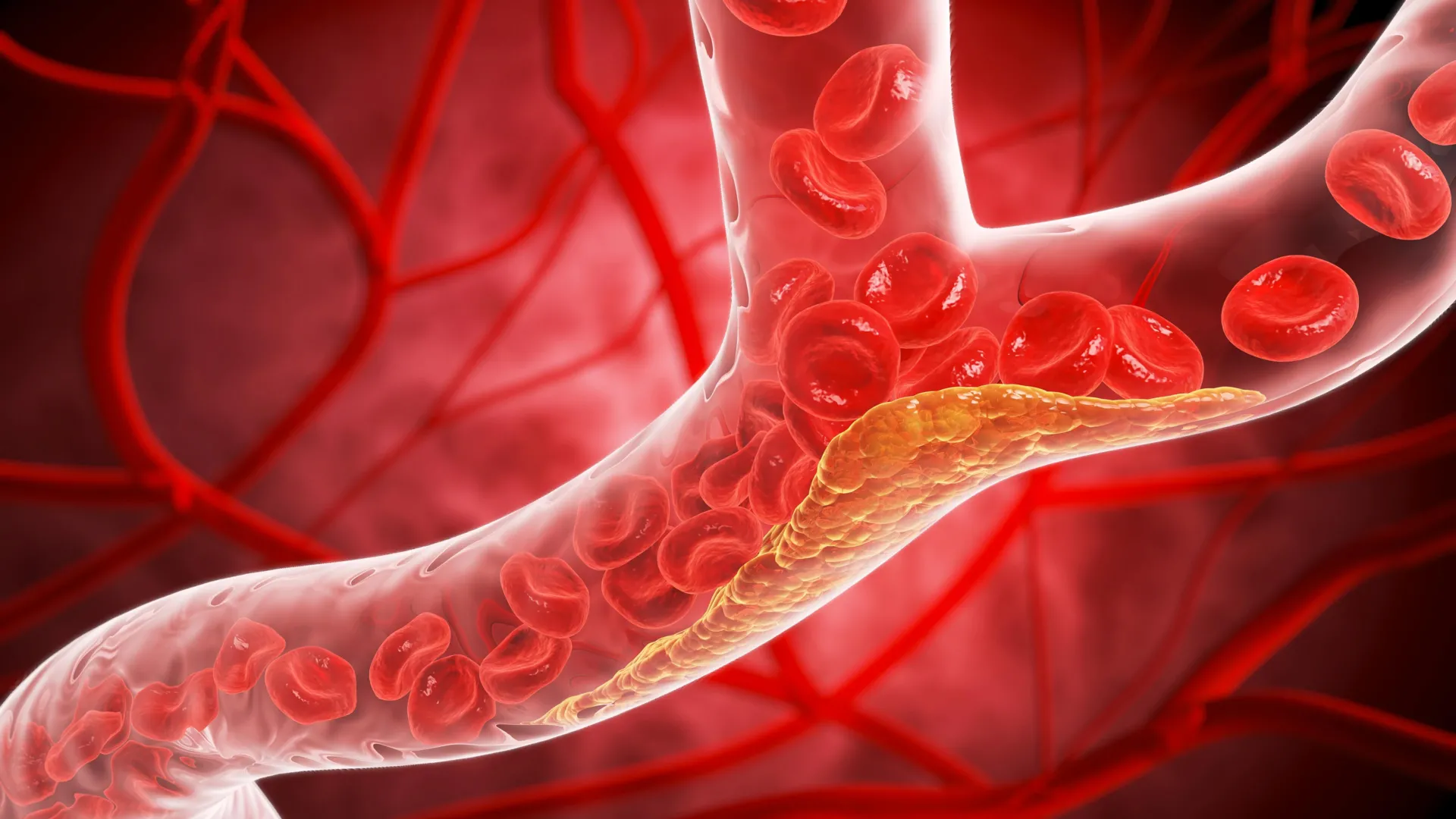
Heart disease linked to high cholesterol continues to be the leading cause of death worldwide. Although doctors have more treatment options than ever, many people still struggle to lower their cholesterol to safe levels. Others experience side effects that make existing medications difficult to take.
Researchers at the University of California San Diego School of Medicine have now identified a previously unknown biological pathway that helps explain why diets high in cholesterol can gradually weaken the body’s ability to remove harmful low-density lipoprotein (LDL) cholesterol from the bloodstream. Even more promising, they have identified an experimental drug that has already undergone safety testing in humans and could potentially interfere with this process.
The findings, published in Nature, could open
The findings, published in Nature, could open the door to a new approach to treating high cholesterol.
“We’ve known for a long time that a high-cholesterol diet reduces the liver’s ability to clear cholesterol from the blood, but we didn’t fully understand why,” said senior author Alan Saltiel, PhD, professor of medicine at UC San Diego School of Medicine and director of the UC San Diego/UCLA Diabetes Research Center. “This new discovery explains a critical piece of that puzzle.”
How the Liver Removes Bad Cholesterol
The liver plays a central role in controlling cholesterol levels. It removes cholesterol from the bloodstream so it can be processed, broken down, and used by other parts of the body.
To accomplish this, liver cells rely on structures
To accomplish this, liver cells rely on structures called LDL receptors. Located on the surface of these cells, the receptors work much like docking stations, capturing LDL cholesterol circulating in the blood and bringing it inside for processing.
The number of available receptors matters. When liver cells have more LDL receptors, they can remove more cholesterol from circulation. This is one reason widely used cholesterol medications, including statins and PCSK9 inhibitors, are effective. They help maintain or increase the number of receptors available to clear LDL cholesterol.
Scientists Uncover a Hidden Cholesterol Pathway
Using experiments involving mice and human cells, the researchers discovered a previously unrecognized process that interferes with the liver’s ability to clear cholesterol. Over time, this mechanism reduces the number of LDL receptors, making it harder for the body to keep blood cholesterol under control.
The process begins with a protein known
The process begins with a protein known as Ral, which Saltiel had previously investigated in fat cells. The team discovered that consuming high amounts of dietary cholesterol activates Ral, setting off a chain of events that leads to the loss of LDL receptors. As Ral activity increases, fewer receptors remain available to remove harmful cholesterol from the bloodstream.
The researchers then identified another critical piece of the mechanism: an enzyme called cathepsin A (CTSA). This enzyme helps drive the process responsible for depleting LDL receptors.
When scientists used a small molecule inhibitor to block CTSA, the results were striking. LDL receptors became more stable, and levels of circulating LDL cholesterol dropped dramatically in mice.
The discovery is especially significant because the newly
The discovery is especially significant because the newly identified pathway is different from those targeted by current cholesterol medications. That distinction could make it possible to develop treatments for patients who do not respond adequately to existing drugs.
“There’s still a real need for new cholesterol-lowering options, since some people can’t get to safe levels even with the drugs we have now,” said Saltiel. “This new pathway we discovered is completely separate from anything that existing drugs target, so it gives us a new opportunity to fill that gap.”
A Previously Tested Drug Could Accelerate Treatment
Discovering a new biological target is usually only the beginning of a lengthy drug development process. Researchers often need years of additional work to identify a suitable compound and determine whether it can be used safely in people.
In this case, however, the scientists may already have a promising candidate.
A drug designed to inhibit CTSA had previously
A drug designed to inhibit CTSA had previously been developed as a potential treatment for heart failure. Although the program was eventually discontinued for strategic reasons, the experimental medication had already progressed through a Phase 1 clinical trial, where it was successfully evaluated for safety in humans.
That earlier work could provide an important advantage. Rather than beginning drug development from scratch, researchers believe the existing CTSA inhibitor may be ready to advance into a Phase 2 clinical trial to investigate its effectiveness against high cholesterol.
The findings are still at an early stage, and the drug has not yet been shown to lower cholesterol in humans. Nevertheless, its previous clinical testing could shorten the path toward determining whether this new treatment strategy works in patients.
Luckily, there’s an experimental drug sitting
“Luckily, there’s an experimental drug sitting on the shelf that’s already been shown to be safe in humans,” said Saltiel. “We hope to test whether this might be effective by conducting a clinical trial — which could potentially bring a new treatment option to patients much sooner than would have been expected.”
Co-authors of the study include Xue Feng, Shuo Zhang, Yuqi Wang, Twisha Kurlagunda, Allyssa Sit, Sadatsugu Sakane, Se Yong Park, Churaibhon Wisessaowapak, Kaylee Nguyen, Jamie Yan, Himani Pothulu, Catherine Dinh, Felicia Chu, Yuyao Ren, Bichen Zhang, Patrick Secrest, Chao-Wei Hung, Preethi Veeragandham, Yuliya Skorobogatko, Tatiana Kisseleva, and Amit R. Majithia at UC San Diego; Priya Jaishankar, Pusu Yang, and Adam Renslo at the University of California, San Francisco; Linmeng Han and Peng Zhao at the University of Texas Health Science Center at San Antonio; and Philip L.S.M. Gordts at the University of Utah.
The research received partial funding from the National Institutes of Health (Grants P30DK063491, R01DK117551, R01DK128796, and R01DK135289) and an American Diabetes Association postdoctoral fellowship (1-25-PDF-76).
Materials provided by University of California – San
Materials provided by University of California – San Diego. Note: Content may be edited for style and length.
- Xue Feng, Shuo Zhang, Yuqi Wang, Twisha Kurlagunda, Allyssa Sit, Priyadarshini Jaishankar, Pusu Yang, Sadatsugu Sakane, Se Yong Park, Churaibhon Wisessaowapak, Kaylee Nguyen, Jamie Yan, Himani Pothulu, Catherine Dinh, Felicia Chu, Yuyao Ren, Bichen Zhang, Patrick Secrest, Linmeng Han, Chao-Wei Hung, Preethi Veeragandham, Yuliya Skorobogatko, Tatiana Kisseleva, Philip L.S.M. Gordts, Adam R. Renslo, Peng Zhao, Amit R. Majithia, Alan R. Saltiel. Dietary cholesterol activates a Ral-dependent pathway driving LDLR turnover. Nature, 2026; 656 (8127): 452 DOI: 10.1038/s41586-026-10697-z
University of California – San Diego. “Scientists discover a hidden driver of high cholesterol and a way to stop it.” ScienceDaily. ScienceDaily, 31 October 2026. <www.sciencedaily.com/releases/2026/10/261030003003.htm>.
University of California – San Diego. (2026, October 31). Scientists discover a hidden driver of high cholesterol and a way to stop it. ScienceDaily. Retrieved November 1, 2026 from www.sciencedaily.com/releases/2026/10/261030003003.htm
University of California – San Diego. “Scientists discover a hidden driver of high cholesterol and a way to stop it.” ScienceDaily. www.sciencedaily.com/releases/2026/10/261030003003.htm (accessed November 1, 2026).
RELATED STORIES
