


Losing weight on GLP-1 medications—such as semaglutide [Wegovy] or tirzepatide—can take off lean tissue alongside body fat. You can protect most of your muscle and even build strength by pairing your prescription with targeted protein and resistance training.
Adults over 45 face higher stakes because muscle naturally declines with age. Keeping your strength protects your balance, joints, and daily independence while the scale moves down.
Aim for steady weight loss, strength workouts two or three days weekly, and enough protein at every meal. Your daily habits during treatment shape your long-term health just as much as the medication itself.

Key takeaways
- Clinical trials show roughly 25% to 38% of weight lost on semaglutide or tirzepatide comes from lean body mass.
- Lifting weights three times weekly during tirzepatide treatment cut lean-tissue loss by 25% and boosted strength by about 10%.
- Obesity-medicine guidance recommends eating 1.2 to 1.6 grams of protein per kilogram of reference body weight each day.
- Never skip meals to speed weight loss; ask your prescriber for adjustments if side effects keep you from eating.
Your protein range, in grams
Enter your weight to see what the figures in this article mean for you.
Worked out on your device. Nothing you enter is sent or kept.
How much muscle do you actually lose on GLP-1 medications?
Prescribers use prescription weight-management medications like semaglutide and tirzepatide to curb hunger and cut daily calorie intake by 16% to 39%. Whenever you lose weight that quickly, your body sheds lean tissue alongside fat.
In a 68-week semaglutide trial, participants lost 15% of their body weight; 38% was lean body mass—which includes muscle, water, and organs—and 62% was fat. Researchers estimate roughly 20% of the total weight lost was skeletal muscle.
In a 72-week tirzepatide trial, participants lost about 21% of their weight, with 25% coming from lean mass and 75% from fat. That ratio matched the placebo group, showing the medication itself does not target muscle directly.
Still, losing muscle carries greater risk after age 50. Adults naturally lose 3% to 8% of muscle mass per decade starting in their 30s, and muscle burns about 13 calories per kilogram daily at rest compared with 4 calories for fat.
If you stop treatment—which roughly half of users do within a year—regained weight returns mostly as fat rather than muscle. Protecting lean tissue during active weight loss keeps your metabolism and mobility stronger.
Bottom line: Roughly one-quarter to over one-third of weight lost on GLP-1 therapy is lean tissue, making active muscle protection essential after age 45.

What protein and workout habits protect your muscle?
It is well established that higher dietary protein paired with strength work protects muscle during weight loss. Obesity-medicine guidance advises 1.2 to 1.6 grams per kilogram of reference body weight daily, or roughly 80 to 120 grams.
Target 25 to 30 grams of protein per meal from whole foods like eggs, fish, Greek yogurt, tofu, or beans. Never drop below 0.5 grams per kilogram daily, avoid long-term intake above 2.0 grams, and ask your doctor first if you have kidney disease.
Strength training makes the biggest difference. In a 2026 trial of adults aged 50 to 70 on tirzepatide, lifting weights three days weekly cut lean-tissue loss by 25% and boosted strength by 10%, while non-exercisers lost 10% of their strength.
Follow CDC physical activity guidelines by training all major muscle groups at least two days weekly—using weights, bands, or bodyweight—plus 150 minutes of moderate aerobic activity. Aim for 10 weekly sets per muscle group, stopping two to three repetitions before exhaustion.
Investigational muscle-preserving drugs like trevogrumab and bimagrumab are promising but early; none hold FDA approval, and long-term outcomes are not known.
Bottom line: Eating 80 to 120 grams of protein daily and lifting weights two or three days weekly preserve muscle and build strength on GLP-1 therapy.
How do you eat enough when GLP-1 side effects blunt your appetite?
Nausea, reflux, and early fullness often shrink your appetite on GLP-1 medications, making large meals uncomfortable. Eating far too little speeds up muscle breakdown and drains energy, so losing weight steadily protects your strength better than rapid drops.
When hunger fades, eat protein first at every sitting before filling up on starches or fats. Four or five mini-meals—such as scrambled eggs, cottage cheese, Greek yogurt, soft fish, or a soy-milk smoothie—supply steady amino acids without upsetting your stomach.
Sip water between meals rather than with food so liquid does not crowd out nutrition. Keep gentle strength and balance routines on your calendar even on low-energy days, scaling back weight rather than skipping workouts completely.
Never change your dose or stop your medication on your own if nausea blocks eating. Contact your prescriber or pharmacist to discuss symptom relief or whether your pace of weight loss needs a closer look.
At your next appointment, ask what daily protein target fits your health, whether a registered dietitian referral helps, and how to track muscle with a body-composition scan or grip-strength check.
Bottom line: Prioritize small, protein-first meals for steady weight loss, and talk with your prescriber whenever side effects keep you from eating enough.

What to do next
- Track your protein for three days: Write down what you eat to see if you reach 80 to 120 grams daily, and add one protein-rich food like eggs, yogurt, or beans to breakfast.
- Schedule two strength sessions this week: Complete 20 to 30 minutes of squats, wall push-ups, resistance-band rows, or machine lifts, stopping two to three repetitions before exhaustion.
- Set a protein-first plate rule: Eat the protein portion of your meal before vegetables or grains whenever your appetite fades early.
- Bring three questions to your prescriber: Ask for a personalized protein target, a registered dietitian referral, and a baseline strength or body-composition check beyond the bathroom scale.
When to see a doctor
Seek prompt medical care if you cannot keep fluids down for 24 hours, develop severe upper abdominal pain, or feel dizzy and faint. Also call your prescriber if sudden muscle weakness, trouble climbing stairs, or falls appear during weight loss.
If you decide to buy
What other shoppers choose on Amazon for “protein powder third party tested”. A listing, not a recommendation: read the label, and ask your doctor or pharmacist before you start a supplement.
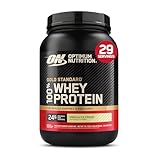
Optimum Nutrition Gold Standard Whey Protein Powder, Vanilla Ice Cream, 2LB | 24g 100% Whe…See it on Amazon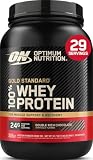
Optimum Nutrition Gold Standard Whey Protein, Double Rich Chocolate, 2 LB | 24g of 100% Wh…See it on Amazon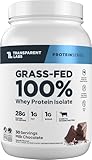
Transparent Labs Grass-Fed Whey Protein – 30 Servings, Milk Chocolate | Naturally Flavored…See it on Amazon
As an Amazon Associate, Wellness Captain earns from qualifying purchases.
This article is for general information only and does not replace medical advice. Talk to your doctor before changing your diet, exercise or medication.
